
My child is struggling to read and write. How can I help at home?
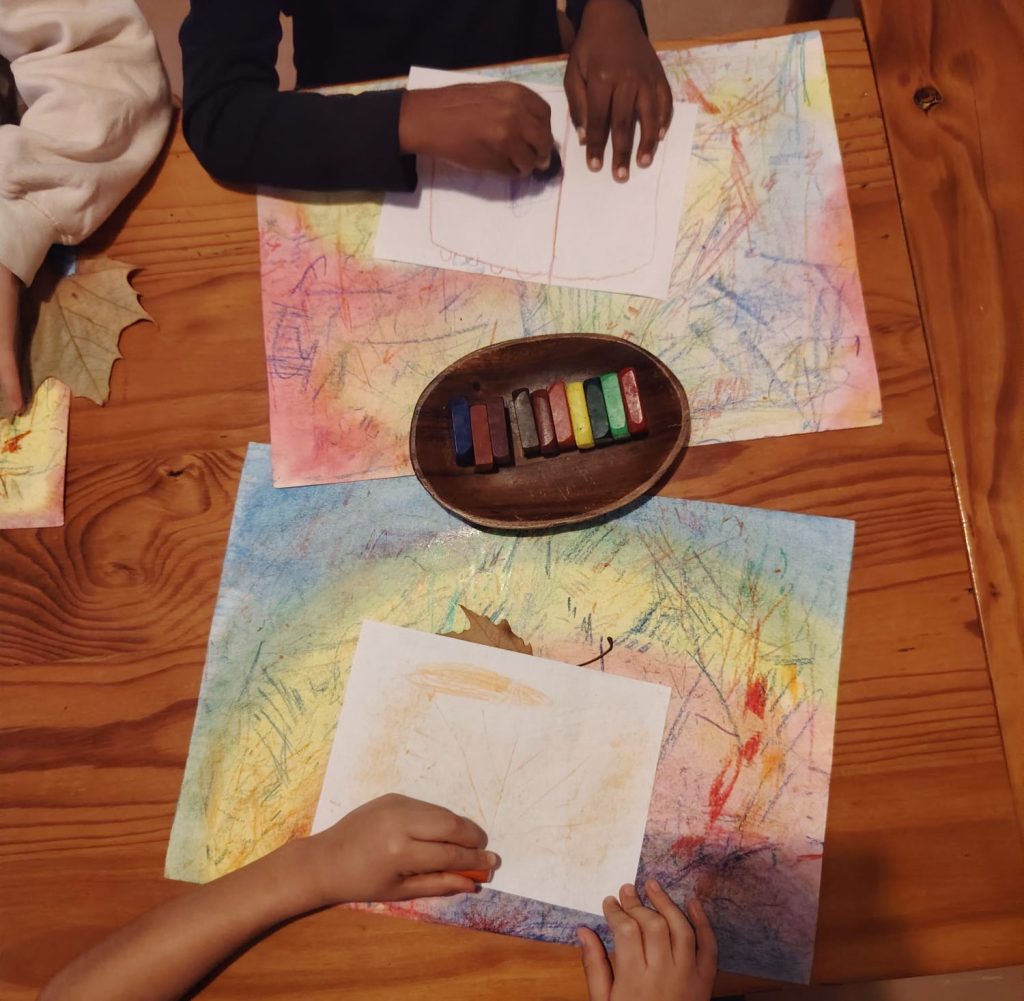
Keep it short, playful and regular, and protect your child's confidence. Children who find reading and writing hard often decide they are "bad at it", and that belief can slow them down more than the difficulty itself. A few relaxed minutes most days, lots of stories and plenty of praise for effort will help more than long practice sessions.
Start with what is going well
Notice what your child can do: retell a story, explain how something works, draw in detail, remember song lyrics. These are all language skills. Building on strengths keeps motivation up.
Ways to help with reading
- Keep reading aloud to them, even if they can read a little themselves. Choose books above their reading level that they love to hear.
- Share the reading. You read a page, they read a line. Or they read the words they know and you read the rest.
- Play with sounds. Rhyming games, "I spy", clapping syllables and making up silly words all build the sound awareness reading needs.
- Re-read favourites. Familiar books build fluency and confidence.
- Stop before it becomes a battle. End on a good note, while your child still wants more.
Ways to help with writing
- Strengthen hands first. Playdough, threading, cutting, lego, drawing and climbing all build the strength and control writing needs.
- Write for a reason: a birthday card, a shopping list, a note to a grandparent, a label for a drawing.
- Let them dictate. Your child tells the story and you write it down, then they illustrate it. Ideas matter more than spelling at first.
- Check the basics: a comfortable pencil grip, feet flat on the floor and good light.
- Draw shapes and patterns. Flowing lines, spirals and mirror images build the movements that letters are made of.
When to ask for more help
Talk to your child's teacher about what they see in class. It is worth asking for an assessment by an educational psychologist, a speech therapist or an occupational therapist if:
- Your child is still finding reading very hard after two years of formal lessons, despite good support
- They struggle to hear rhymes or the separate sounds in words
- They often mix up or reverse letters well after age seven or eight
- Holding a pencil is painful or very tiring, or their writing stays very hard to read
- There is a family history of reading or writing difficulties
Have your child's hearing and vision checked too. It is a simple step that sometimes explains a great deal.
How Waldorf education builds reading and writing
In Waldorf education, writing comes before reading, and both grow out of pictures, stories, movement and art. At Roseway:
- Form drawing begins in Class 1, with flowing lines and shapes that prepare the hand for writing.
- Letters are introduced through stories and pictures. Each letter grows out of an image, so children form a real relationship with it.
- Children write and illustrate their own main lesson books, and in Class 2 reading starts from their own writing.
- Movement, rhythm and music are part of every day, supporting the coordination and memory that reading and writing need.
By the end of Class 1, children are writing and reading sentences and short texts, and most begin reading printed readers with their teacher in the second half of Class 2. Read about Class 1 to 3.
Questions parents ask
Ten to fifteen relaxed minutes is plenty for a young child, plus a story read aloud by you. Short, regular and enjoyable works better than long and stressful.
Reversing letters such as b and d is very common in young children and usually fades by around seven or eight. If it continues beyond that, or comes with other reading difficulties, ask for an assessment.
No. Focus on ideas and enjoyment first, and pick one or two words to work on. Constant correction can make children afraid to write.
An educational psychologist can assess reading and learning, a speech therapist can assess language and sound awareness, and an occupational therapist can help with pencil grip and handwriting.
Would you like to see how reading and writing are taught at Roseway? Contact us to arrange a visit.
More to read
Most five-year-olds are not reading yet, and that is normal. Here is what to look for, how to help at home, and when to ask for advice.