
My 5-year-old can't read yet. Should I be worried?
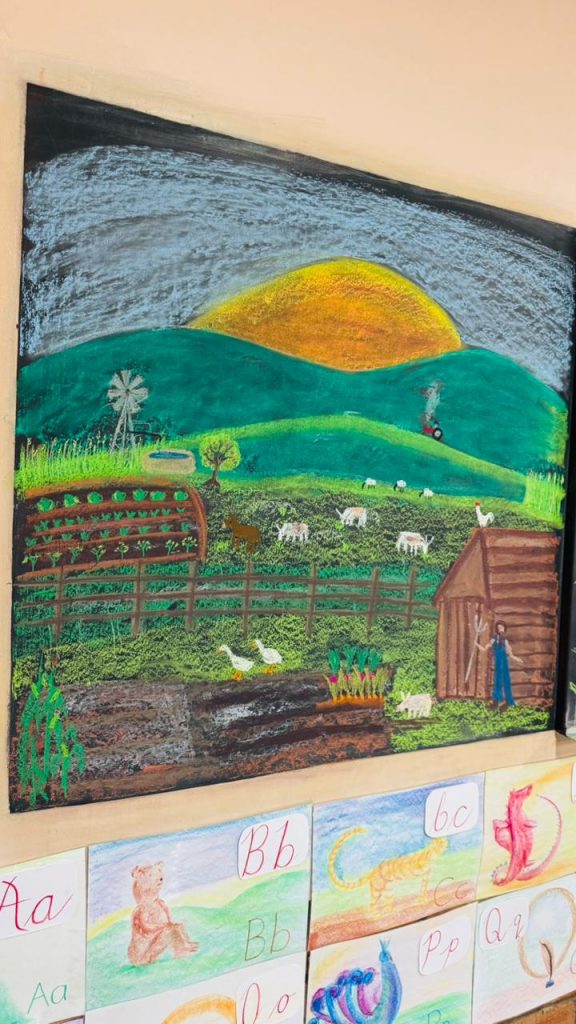
In most cases, no. Many children are not reading at five, and plenty of children who read late go on to become strong, keen readers. What matters at this age is not whether your child can read words on a page, but whether they are building the foundations that reading grows from: listening, speaking, enjoying stories, hearing rhymes and sounds, and developing the hand and eye skills that writing needs.
If your child loves being read to, can retell a story in their own words and enjoys songs and rhymes, they are on a good path, even if they cannot yet read a single word.
What is normal at five?
Children learn to read at very different ages. Some are reading simple words before they start school, and many begin to read between six and seven, once they start formal lessons. Research has found that children who start reading lessons later tend to catch up with early starters, and that the early advantage in decoding words often fades by about age eleven.
At five, it is common for a child to:
- Recognise their own name and a few letters, but not read words yet
- Enjoy picture books and ask for favourite stories again and again
- Join in with rhymes, songs and repeated phrases
- Draw pictures and "pretend write", even if the letters are not real yet
How you can help at home
The best support at this age is playful and unhurried. You do not need flashcards or workbooks.
- Read aloud every day. Choose stories you both enjoy, and let your child ask questions and talk about the pictures.
- Tell stories without a book. Children who listen to spoken stories build a rich vocabulary and a strong memory.
- Sing and say rhymes. Rhymes help children hear the sounds inside words, which is an important step towards reading.
- Play with movement and hands. Climbing, balancing, threading, cutting, kneading dough and drawing all build the coordination that writing needs.
- Keep it pressure free. If reading becomes a battle, step back. A child who enjoys books will come to reading more easily.
When should you ask for advice?
Reading late on its own is not usually a concern. It is worth speaking to your child's teacher, your GP or paediatrician, or an educational psychologist if you notice things such as:
- Your child finds it very hard to hear or make rhymes, or to tell sounds apart
- Their speech is delayed or hard to understand for their age
- They seem to struggle to hear, or squint and rub their eyes when looking at books
- There is a family history of reading difficulties
- By the end of their second year of formal lessons, they are still finding reading very hard despite good support
A hearing and vision check is a simple first step. If needed, a professional can assess whether your child would benefit from extra support.
How Waldorf education approaches reading
Waldorf education takes the view that young children learn best through play, movement, stories and imagination, and that formal reading lessons work best once children are developmentally ready. At Roseway, children start formal learning in Class 1, in their seventh year.
In Kindergarten, children build the foundations for reading without formal lessons: a rich spoken language from songs, verses and stories, concentration through play, and the movement and hand skills that writing needs.
In Class 1, teachers introduce the letters and their sounds through stories, drawing, painting, movement and speech. Each letter grows out of a picture, so children form a real relationship with it. By the end of Class 1, children are writing and reading sentences and short texts, and they usually begin reading printed readers with their teacher in the second half of Class 2.
Our aim is to raise children who love reading for its own sake and keep reading for pleasure throughout their lives.
Questions parents ask
There is a wide normal range. Many children begin to read between six and seven, once formal lessons start, and some take a little longer. Steady progress and enjoyment matter more than reaching a milestone by a set birthday.
Not if it is playful and your child is keen. The concern is pressure: if reading becomes stressful, a child can lose their enthusiasm for books. At five, reading aloud, stories, rhymes and play are the most helpful things you can do.
It is usually too early to tell at five. If your child struggles with rhymes and sounds, has speech delays or there is a family history of reading difficulties, speak to their teacher or an educational psychologist, who can advise on whether and when an assessment would help.
Formal reading starts in Class 1, in the seventh year. Letters are introduced through stories and pictures, and by the end of Class 1 children are reading sentences and short texts.
Would you like to see how reading is taught at Roseway? Contact us to arrange a visit, or read more about Class 1 to 3.
More to read
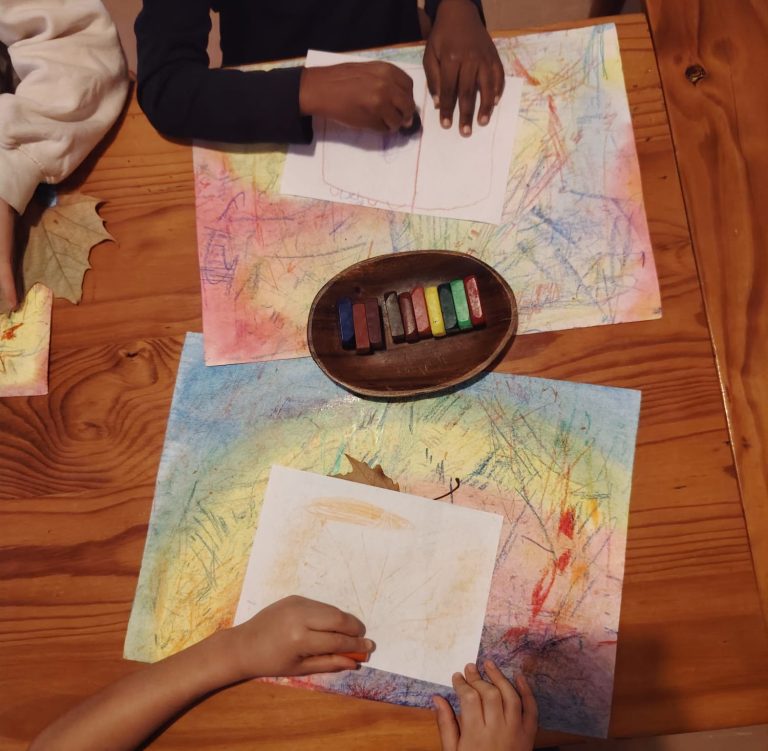
Practical, low-pressure ways to help a child who finds reading and writing hard, the signs that need a closer look, and how to keep their love of stories alive.