
Primary school at Roseway
Class 4 to 7: the later primary years
Class 4 to 7 are the last four years of primary school at Roseway, for children of about 10 to 13 years old, roughly equivalent to Grades 4 to 7. The same class teacher who started with the class in Class 1 guides them through to the end of Class 7.
In these years children explore how to meet challenges and how to preserve what is beautiful and good. The curriculum moves from myths and ancient civilisations to history, science and geometry, always taught through stories, observation, art and practical work.
10 to 13
years old
Class 4 to 7 at a glance
- Ages
- About 10 to 13 years
- Grade equivalent
- Grades 4 to 7
- Class teacher
- The same teacher through to Class 7
- Main lessons
- One subject in depth, in 3 to 4 week blocks
- Home time
- 14h00
Grade 4 equivalent, about 10 years old
Class 4
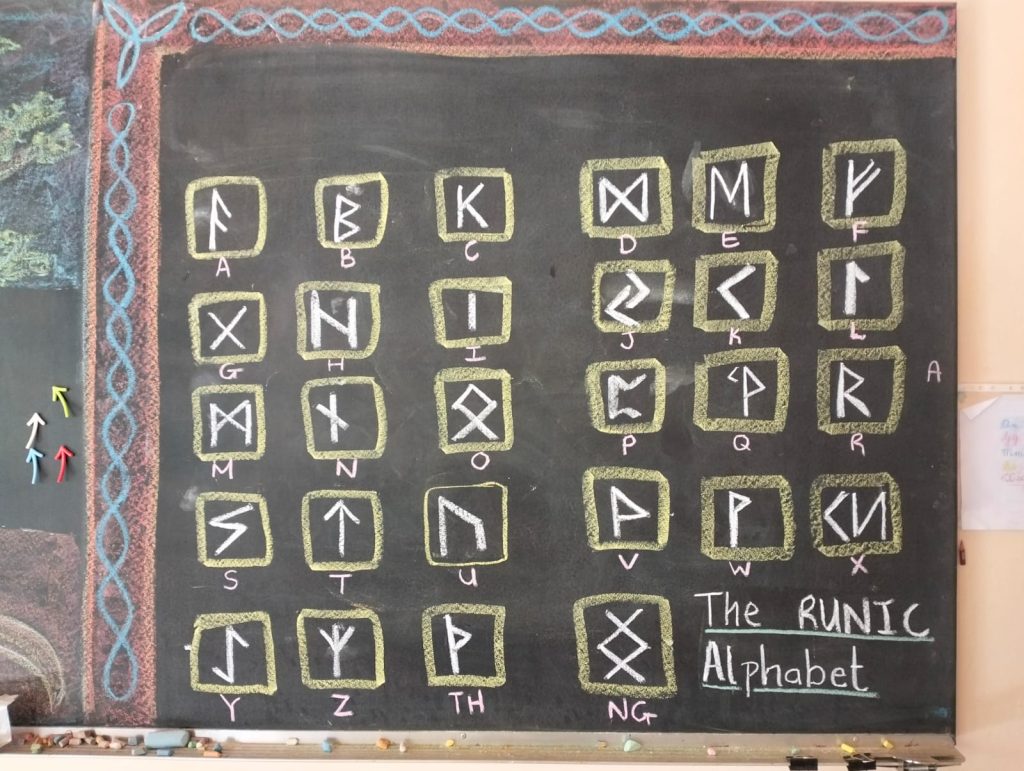
As their newly formed personal consciousness deepens, ten-year-olds are immersed in the theme of Norse mythology. These tales contain moral questions, dilemmas and extremes: light and darkness, heat and cold. We explore how to meet challenges and preserve what is beautiful and good.
Main lesson themes in Class 4
- Norse mythology
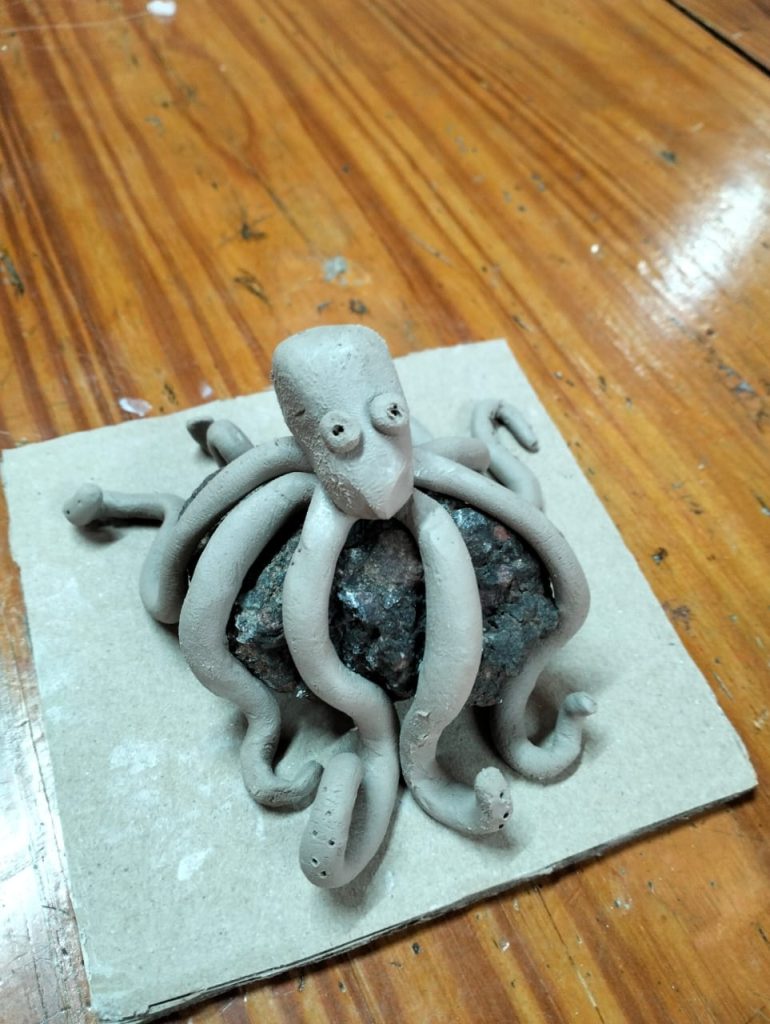
- The human being and the animal kingdom
- Local geography and map making
- Fractions
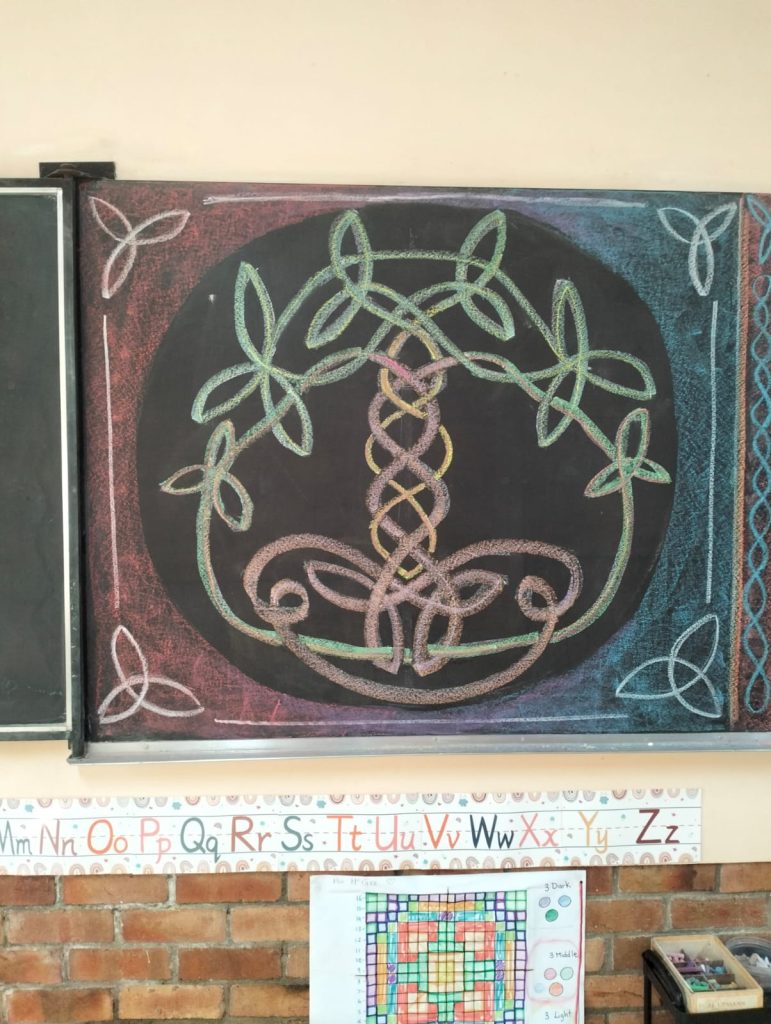
- Form drawing with knots and braids
- Grammar, letter writing and composition
Grade 5 equivalent, about 11 years old
Class 5
At eleven years of age, children are in the heart of childhood, a warm, loving and balanced time of growth. They are slowly establishing their independence from the strong adult influence of their parents and teachers. The curriculum mirrors the dawning consciousness of the child through the mythologies of ancient civilisations and the introduction of botany and natural history.
Main lesson themes in Class 5
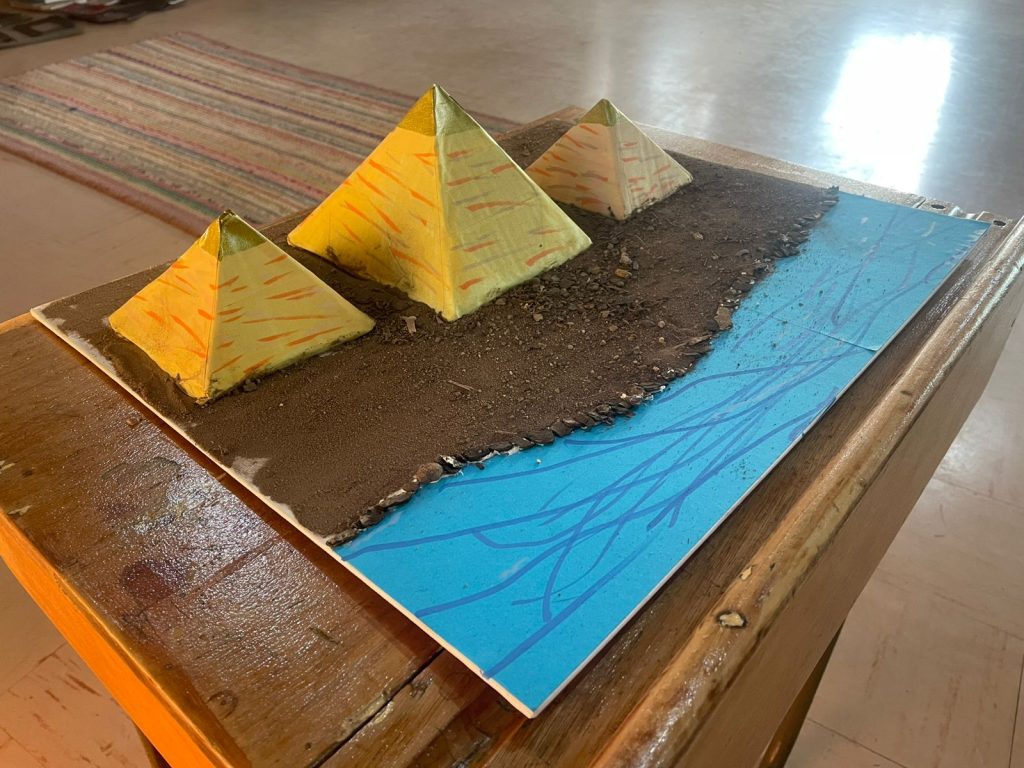
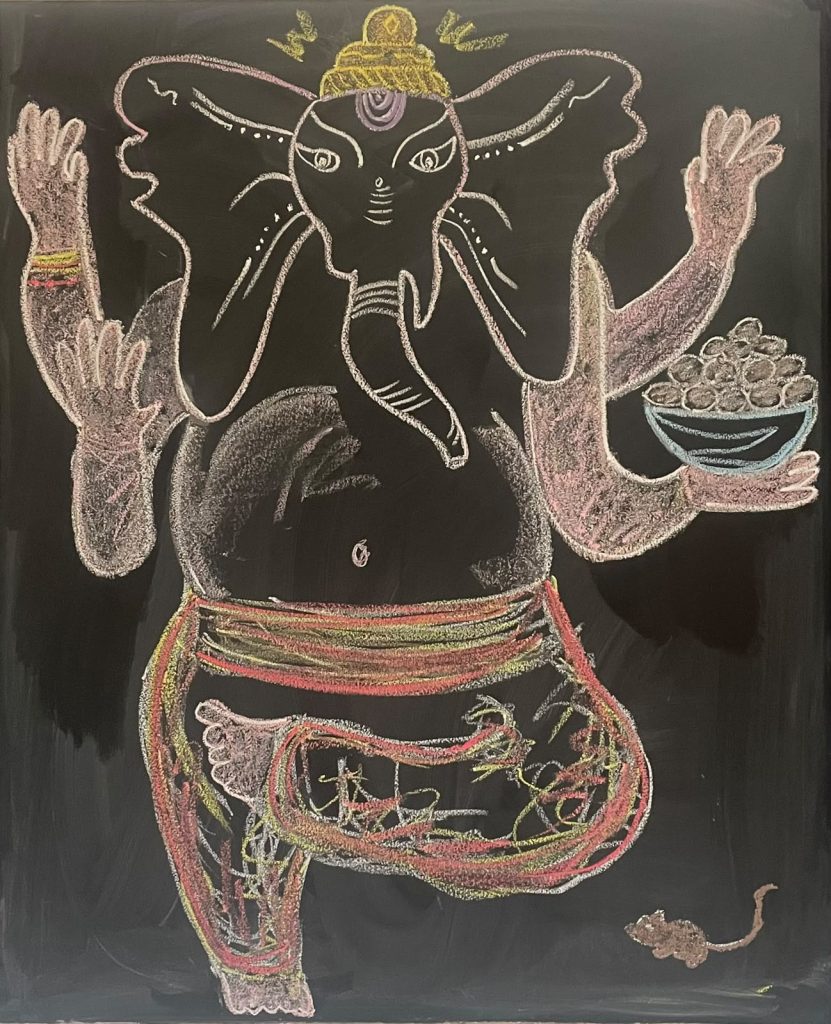
- Ancient civilisations: India, Persia, Mesopotamia, Egypt and Greece
- Botany
- Geography of South Africa
- Decimals
- Freehand geometry
- The Greek Olympics
Grade 6 equivalent, about 12 years old
Class 6
As children approach twelve, they enter a period of rapid growth. They are more consciously thoughtful of both their inner and outer world, questioning and challenging as they grapple with new ideas. The time is ripe for ordering and formalising, for finding imaginative solutions to real problems, and for finding a balance between beauty and technical precision. The year's main themes address these developing capacities.
Main lesson themes in Class 6
- Ancient Rome and the Middle Ages
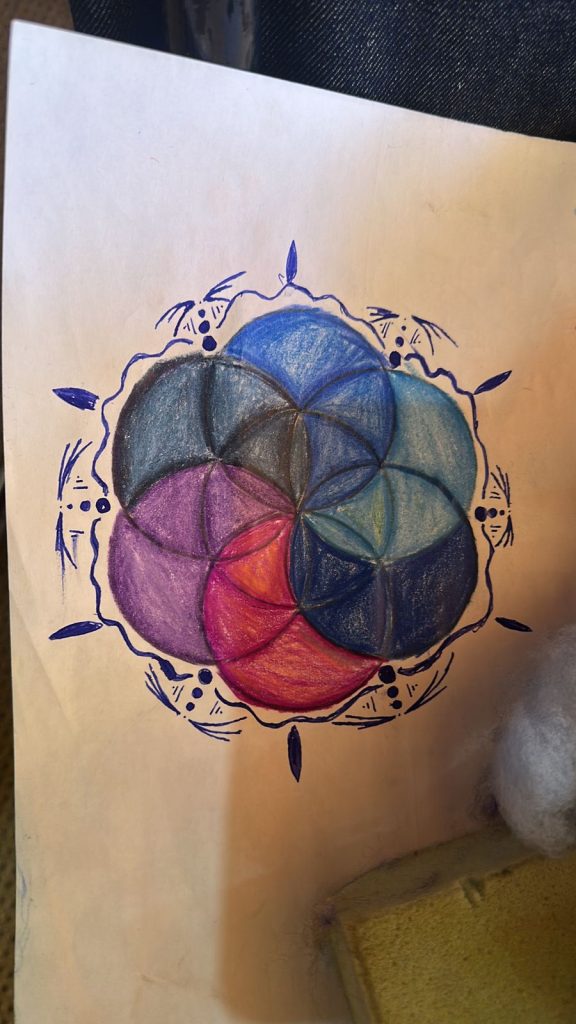
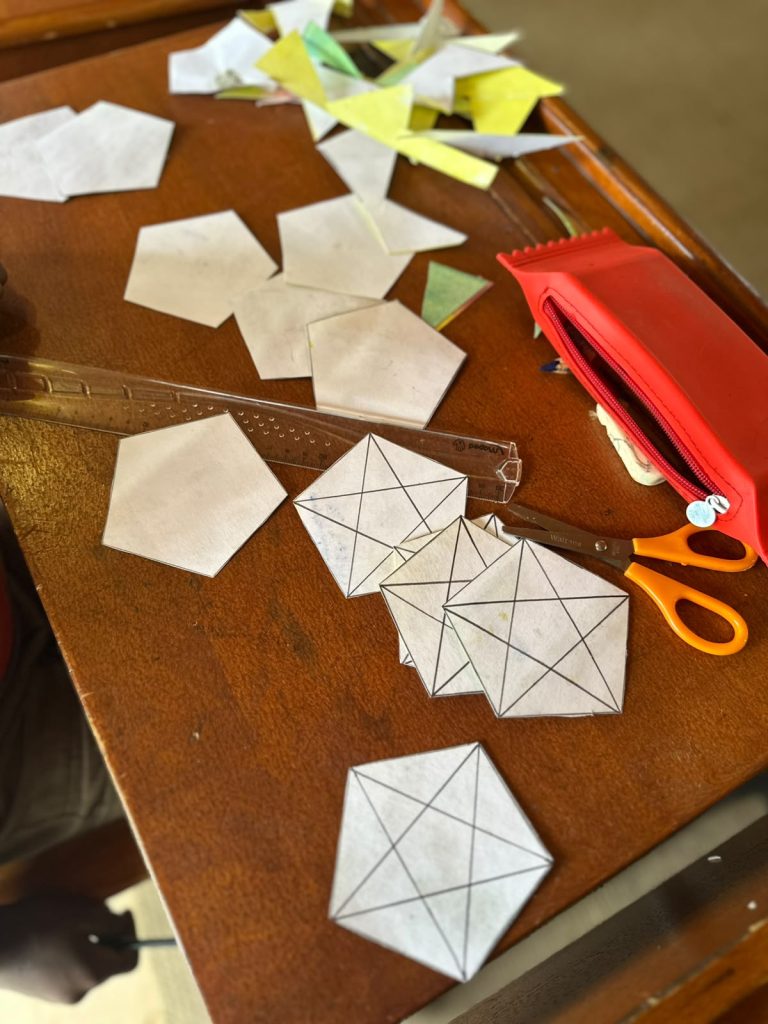
- Geometric drawing with compass and ruler
- Physics: sound, light, heat, magnetism and electricity
- Geology and minerals
- Business maths: percentages and interest
- Astronomy
Grade 7 equivalent, about 13 years old
Class 7
Class 7 marks the final year with the class teacher, and of primary school. These years have taught our young adolescents how to think clearly, work creatively, and how to both acknowledge and express their feelings. They have learned to care for and communicate with one another, and to develop and structure their inner faculties.
A new emotional intensity appears as the young adult emerges to face the outside world. They are challenged to expand their limits and yet recognise their boundaries.
Main lesson themes in Class 7
- The Renaissance and the age of exploration
- Perspective drawing
- Physiology: nutrition and health
- Chemistry: combustion
- Algebra
- Physics: mechanics
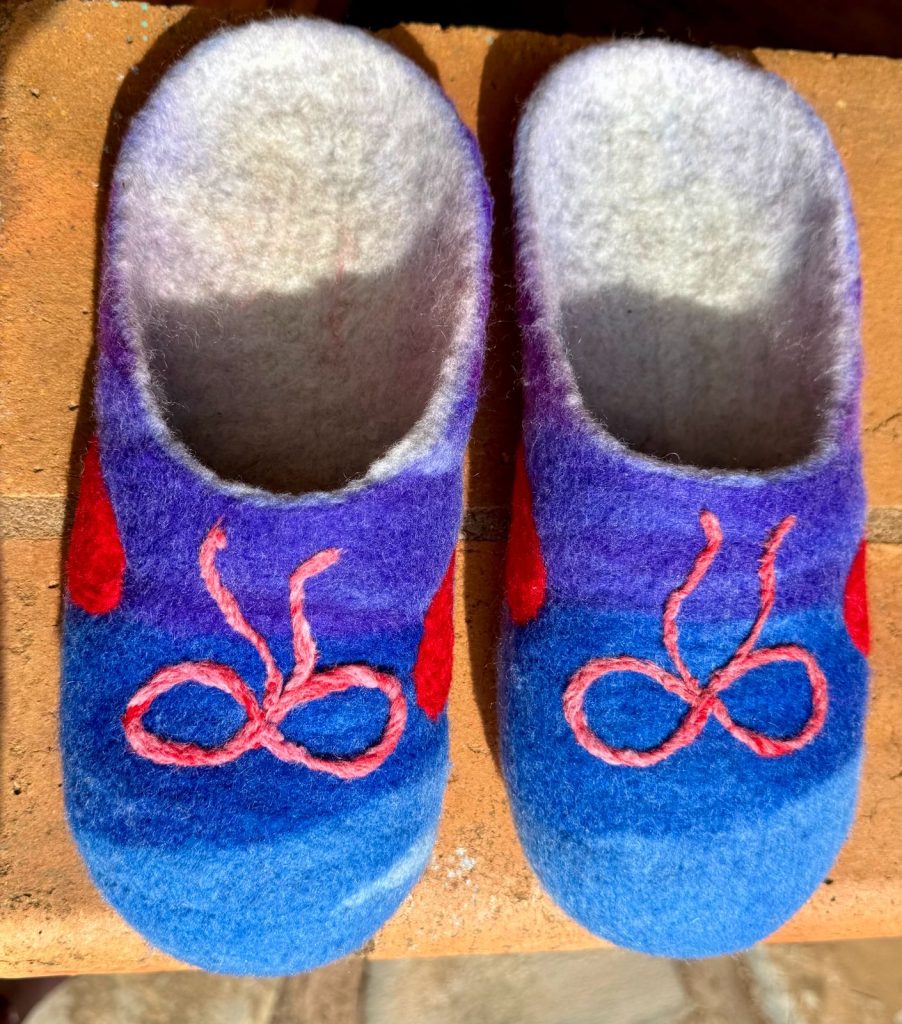
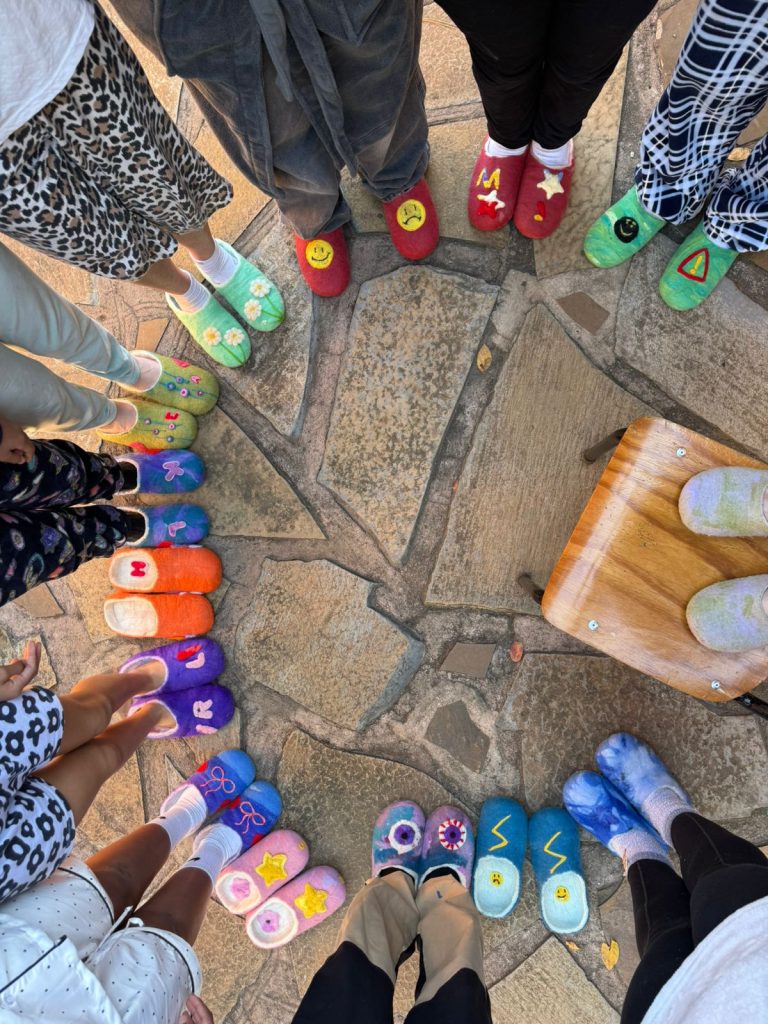
- Handwork: felting
Ready for High School
Growing independence
Across Class 4 to 7, the class teacher gradually hands more responsibility to the children. By the end of Class 7 they have:
- Practised clear thinking and creative work
- Learned to acknowledge and express their feelings
- Developed social awareness through class and group activities
- Learned to care for and communicate with one another
- Built the work habits they need for High School
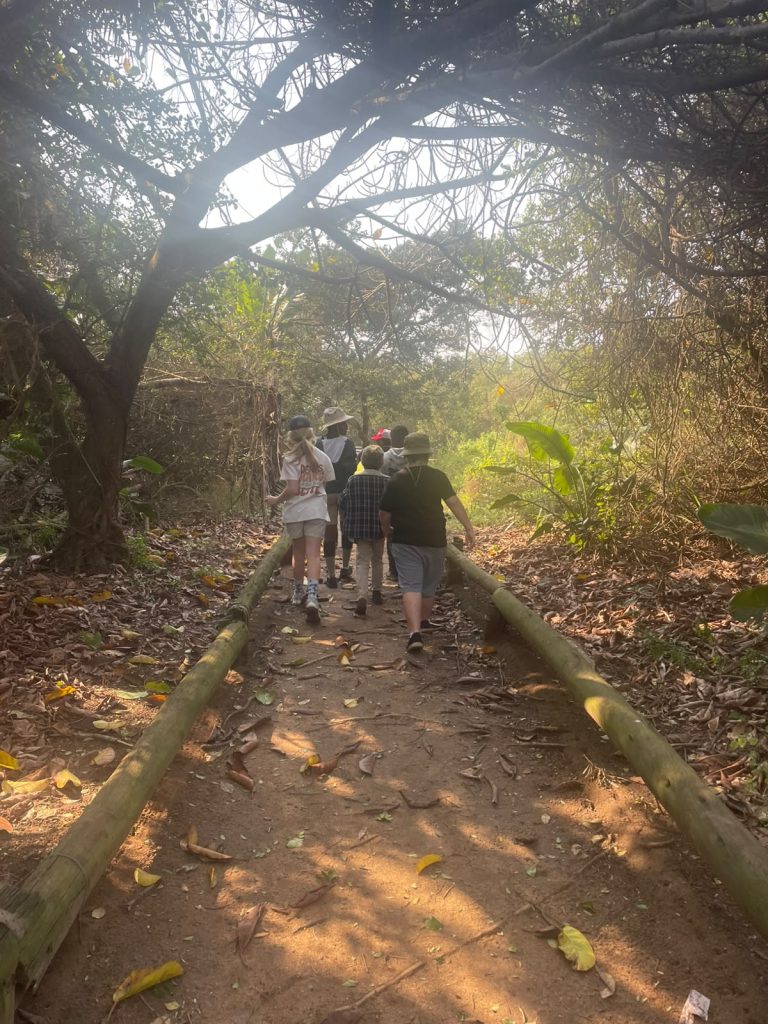
Main lesson outings, plays, camps and festivals give them many chances to grow together as a class.
Class 4 to 7 questions
Answers to the questions parents ask us most. If yours is not here, get in touch or call the school office on 031 768 1309.
Main lessons move from Norse mythology and the animal kingdom in Class 4, through the ancient civilisations and botany in Class 5, Rome, the Middle Ages, geometry and physics in Class 6, to the Renaissance, chemistry, physiology and algebra in Class 7. Language, maths, art, music and handwork continue throughout.
Class 4 to 7 finish at 14h00. The school day starts at 7h45.
Yes. Aftercare costs R50 for the first hour or part of an hour, and R25 for each hour after that.
Yes. The class teacher stays with the class until the end of Class 7. In High School, each class is guided through its final years by a class guardian, with specialist teachers for each subject.
Science begins with direct observation. In Class 6 and 7 children study sound, heat, light, magnetism, electricity, mechanics and chemistry. They are asked to describe what happened, think about the conditions under which it appeared, and then work out the law behind it.
Yes. Primary school children have a 40-minute games lesson each week and an annual Sports Day. After school, cricket, hockey, netball, softball, cross country, choir and soccer are part of the extra-curricular programme.
Children move on to High School: Class 8 to Class 12, followed by a matric year in Class 13 that prepares them for the National Senior Certificate.
Ten-year-olds are starting to feel more separate and independent. Norse myths are full of moral questions, dilemmas and extremes, such as light and darkness, and heat and cold. They meet the children at this stage and give them pictures of how to face challenges and protect what is good.
At eleven, children are in the most balanced time of childhood. The journey through ancient India, Persia, Mesopotamia, Egypt and Greece mirrors their own growing awareness of the world, and leads naturally into history.
When children observe something for themselves before learning the theory, they understand it more deeply and remember it longer. Starting with real experiences also keeps their curiosity and sense of wonder alive.
At Roseway all children are taught academic, artistic and practical subjects. Making something real, such as a pair of felted slippers, takes planning, patience and care, and gives children the confidence that comes from finishing what they start.
Use our fee calculator to see the current monthly, termly and yearly fees for each class, including the sibling rate and discounts for paying in advance.
Start with a provisional application and pay the R850 non-refundable administration fee, which is deducted from your placement fee if your child is accepted. Applications include your child's two most recent school reports. See Apply Now for the full process.
Amazing things happen to your children
Come and talk to our passionate teachers and dedicated staff to find out "Why Waldorf?"