
Is my child ready for Grade 1? A South African parent's guide
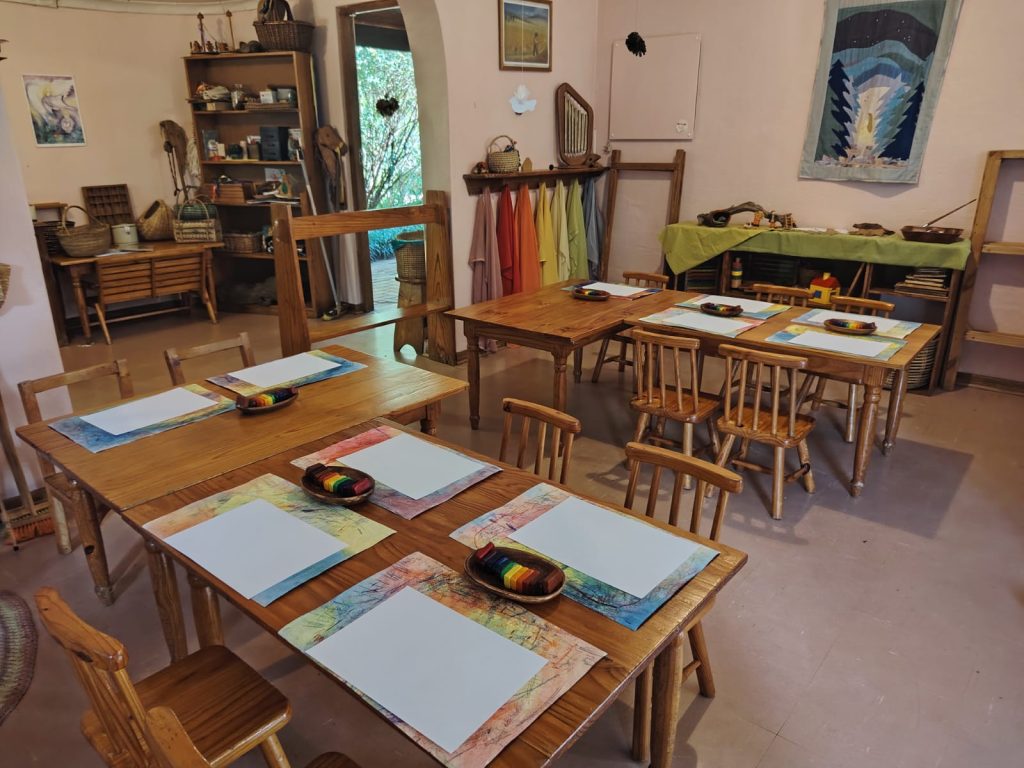
Readiness for Grade 1 depends on more than age. In South Africa, children may start Grade 1 in the year they turn six, as long as they turn six by 30 June. But children develop at different rates, and a child's physical, emotional and social development matter as much as their birthday.
The age rules in South Africa
For public schools, Grade 1 entrants must be five turning six by 30 June of the year they start. Grade R, the year before Grade 1, is now compulsory under the BELA Act. Independent schools may have their own admission policies, so check with the school you are considering.
There is currently a lively debate in South Africa about whether children are starting formal school too early. The Thrive by Five Index 2024 found that only 42% of four-year-olds were developmentally on track, and research has found that children who start Grade 1 younger are more likely to repeat a grade.
Signs of school readiness
Teachers and therapists often look at the whole child. A child who is ready for formal learning can usually:
- Use their body with confidence: run, hop, skip, balance and climb
- Use their hands well: hold a crayon comfortably, cut with scissors, draw recognisable pictures
- Listen and speak: follow simple instructions, speak in full sentences and retell a short story
- Manage feelings: cope with being away from you for the morning, wait their turn and recover from small upsets
- Get along with others: share, take turns and play with other children
- Look after themselves: dress, go to the toilet and eat independently
Children do not need to read or write before Grade 1. These skills are taught once formal lessons begin.
How to decide
- Ask your child's Grade R or preschool teacher for their honest view.
- Consider a school readiness assessment by an educational psychologist or occupational therapist if you are unsure.
- Think about your child as a whole, not only their birthday or what other children are doing.
- Remember that an extra year of play-based early childhood is not a year lost.
The Waldorf view of school readiness
Waldorf education sees childhood as unfolding in stages of about seven years. In the first stage, children learn mainly through imitation, play and movement, and their energy goes into growing healthy bodies and strong senses. Formal learning begins once children show signs that they are ready to learn in a new way.
At Roseway, children spend their early years in Play Group and Kindergarten, where the day is built around free play, stories, songs, baking, gardening, crafts and time outdoors. They start Class 1 in their seventh year, when formal reading, writing and arithmetic begin.
Questions parents ask
For public schools, children must be five turning six by 30 June of the year they start Grade 1. Independent schools may have their own policies.
Yes. The BELA Act made Grade R compulsory, with the requirement taking effect from 2026.
No. Reading and writing are taught in Grade 1. Strong spoken language, a love of stories, good coordination and the ability to listen are far more useful preparation.
It is an assessment, usually by an educational psychologist or occupational therapist, that looks at a child's physical, emotional, social and thinking skills to help parents decide whether their child is ready for formal schooling.
Children start Class 1 in their seventh year, after Kindergarten. Speak to our office about your child's age and the best time to join.
Thinking about when your child should start? Talk to us, or see how to apply.
More to read
Grade 1 starting age is being debated in South Africa. What the research says, what readiness really means, and how to think about the right time for your child.