
Are South African children starting school too early?
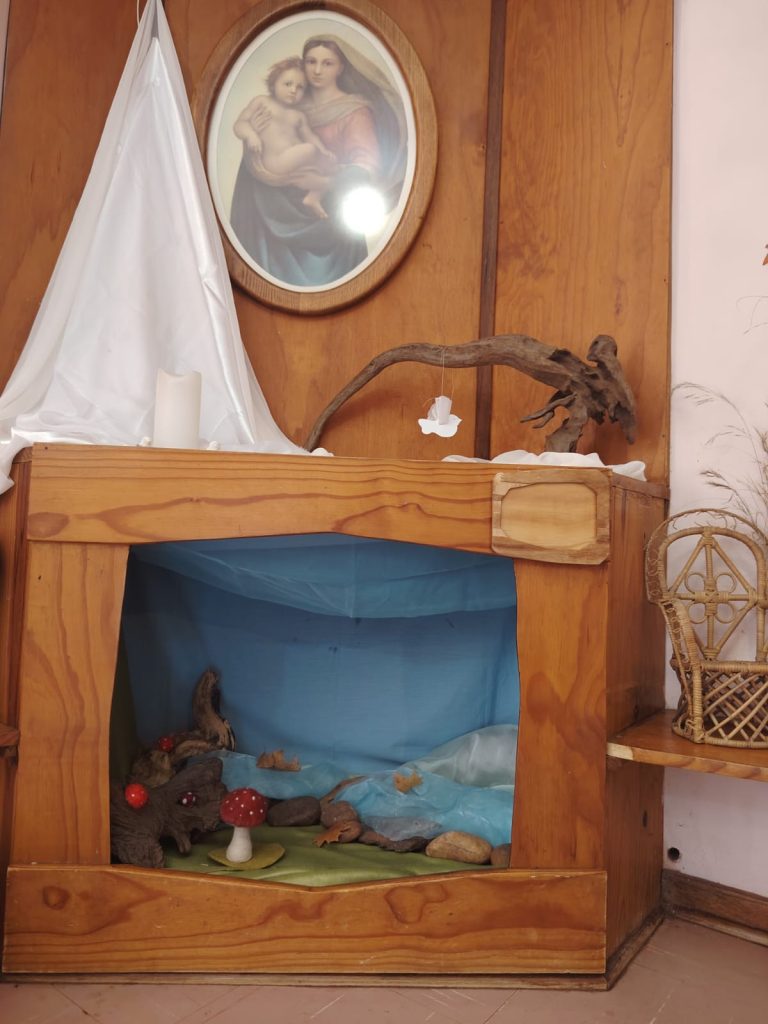
For some children, yes. South African rules allow children to start Grade 1 in the year they turn six, as long as they turn six by 30 June, so many children begin formal learning at five. Research and early childhood experts point out that age alone does not mean a child is ready, and that children who start before they are developmentally ready can struggle.
What is being debated
In 2026, South African media, including eNCA and Daily Maverick, asked whether children are starting formal school too early. The concerns raised include:
- Many children are not developmentally on track. The Thrive by Five Index 2024, the largest study of early childhood development in South Africa, found that only 42% of four-year-olds were on track for their age.
- Younger starters repeat more often. Research reported in 2025 found that children who start Grade 1 younger than six are at higher risk of having to repeat a grade.
- Readiness depends on more than age, including language, motor skills, emotional maturity and the support a child has had in their early years.
What "ready" really means
A child who is ready for formal lessons can usually listen and follow instructions, use their hands with control, manage their feelings for a morning away from home, play and take turns with other children, and look after their own basic needs. Reading and writing are not required before Grade 1; they are what Grade 1 teaches. See our school readiness guide.
Why it matters
A child who starts formal learning before they are ready may find it frustrating and tiring, and can come to believe they are "not clever", when they simply needed more time. A child who starts when ready is more likely to enjoy learning and to keep that enjoyment for years.
Questions to ask when deciding
- What does my child's preschool or Grade R teacher see?
- How does my child cope with separation, instructions and frustration?
- How are their hand skills, coordination and speech?
- Would a school readiness assessment help us decide?
- What does the school I am considering say about readiness and age?
The Waldorf view of when formal learning should begin
Waldorf education sees childhood as unfolding in stages of about seven years. In the first stage, children learn through imitation, movement and play, and their energy goes into growing healthy bodies and strong senses. Formal reading, writing and arithmetic begin once children are ready to learn in a new way.
At Roseway, the early years in Play Group and Kindergarten are built around free play, stories, songs, baking, gardening, crafts and time outdoors. These are the experiences that build language, concentration and coordination. Children start Class 1 in their seventh year.
Questions parents ask
For public schools, children must be five turning six by 30 June of the year they start Grade 1. Independent schools may set their own admission policies.
It depends on the child. Starting when a child is developmentally ready matters more than a particular birthday. If you are unsure, talk to your child's teacher or arrange a school readiness assessment.
It is a large South African study of early childhood development. Its 2024 results found that only 42% of four-year-olds were developmentally on track.
Children start Class 1 in their seventh year, after Kindergarten. Speak to our office about your child's age and the best time to join.
Thinking about the right start for your child? Talk to us or arrange a visit.
More to read
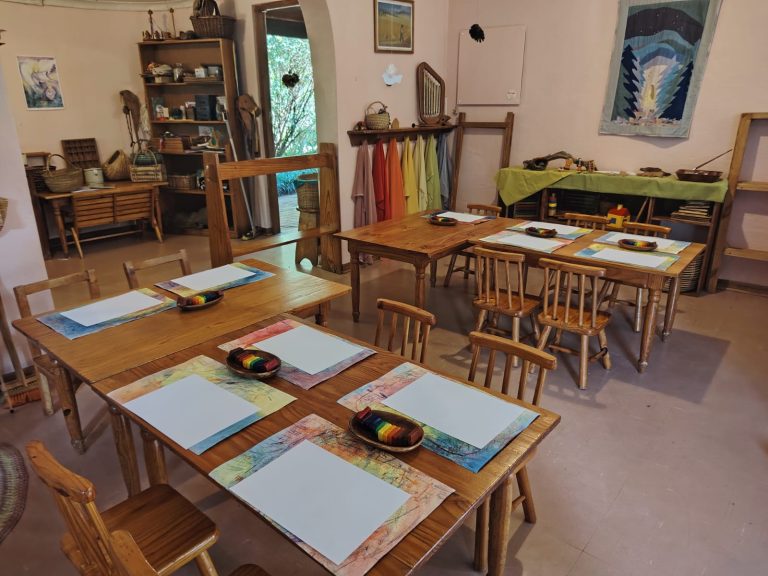
Age is only part of the answer. The South African age rules for Grade 1, the signs of school readiness, and how to decide what is right for your child.