
My child isn't sporty. How can I help them feel they belong?
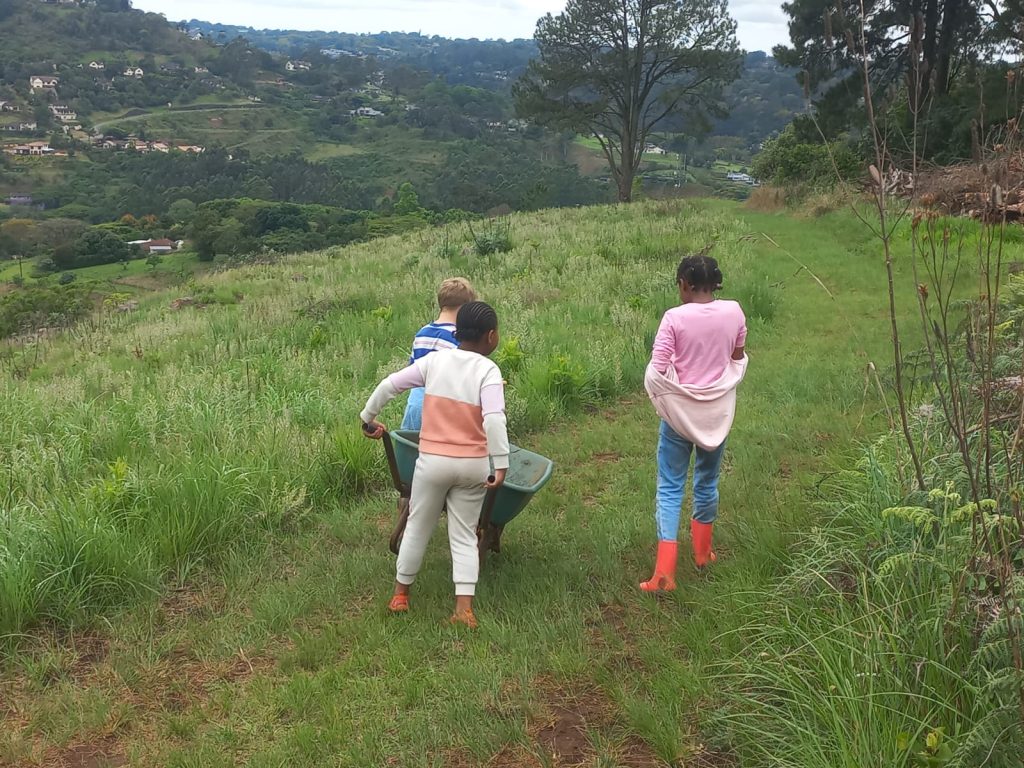
Not being sporty is not a problem to fix. Children have different strengths. Some love competition and team games, and others prefer building, drawing, music, reading or exploring. What every child does need is regular movement they enjoy and a sense that they belong, whether or not they ever make a team.
Why some children avoid sport
- They feel self-conscious, or worry about being picked last
- They do not enjoy competition, or find losing upsetting
- Their coordination is still developing
- They simply have other interests that matter more to them
How you can help
- Separate movement from sport. Walking, swimming, cycling, climbing, dancing, gardening and playing outside all count. Find what your child enjoys.
- Try non-competitive activities, such as hiking, martial arts, dance, yoga or simply playing outdoors with friends.
- Celebrate their strengths. Let your child know that being creative, kind, curious or good with their hands is just as valuable as being fast or strong.
- Help them find their people. Clubs for music, drama, art, chess or nature are great places to make friends with shared interests.
- Talk to the teacher if your child feels left out at break times or during games. Small changes can help.
- Watch for signs of something more, such as a child who is very clumsy, tires quickly or avoids all physical activity. An occupational therapist or your GP can check whether extra support would help.
Why movement matters for every child
Physical activity, movement and balance are central to children's health and growth. Movement also supports learning: it helps with concentration, coordination and the hand skills children need for writing and practical work. The goal is not to turn every child into an athlete, but to help every child enjoy moving.
How Roseway approaches movement and sport
At Roseway, movement is chosen to suit each child's stage of development and to support well-rounded growth, rather than focusing on competition. Read more about movement and sports.
- There are no try-outs. Any student who wants to take part is given the chance to practise and play, and all students get to play at matches.
- Games grow with the children, from circle games in the early years, to tag and chasing games, to team sports with an emphasis on good sportsmanship.
- Eurythmy for every child, a movement art taught from Kindergarten to Class 12 that builds concentration, coordination and a sense of working together. Read about eurythmy.
- Many ways to belong. Class plays, choir, music, art and after-school activities give children other places to shine.
Questions parents ask
No. What matters is that your child moves every day in ways they enjoy and feels they belong. Many children who are not sporty are active in other ways.
Focus on fun rather than fitness. Family walks, swimming, cycling, climbing, dancing or time outdoors with friends all count, and children are more likely to keep going with something they enjoy.
Talk to the teacher about break times and games, encourage friendships through shared interests such as music, art or drama, and remind your child of the strengths they do have.
Students take part in games or sport from Class 1 to matric, at a level suited to their age. There are no try-outs: any student who wants to take part can practise and play, and all students get to play at matches.
Would you like to see how movement and the arts fit into the Roseway day? Arrange a visit.